 japanese heritage
belgian terroir
japanese heritage
belgian terroir
NUU is a long, slow story.
We ferment to make connection.
To live more deeply.
—
It begins in 2011.
The Tōhoku tsunami unsettles the ground beneath three Japanese women living in Brussels — Hiro among them. Faced with a fracture in the world, something essential rises to the surface: the need to care, to pass things on, to make connection again.
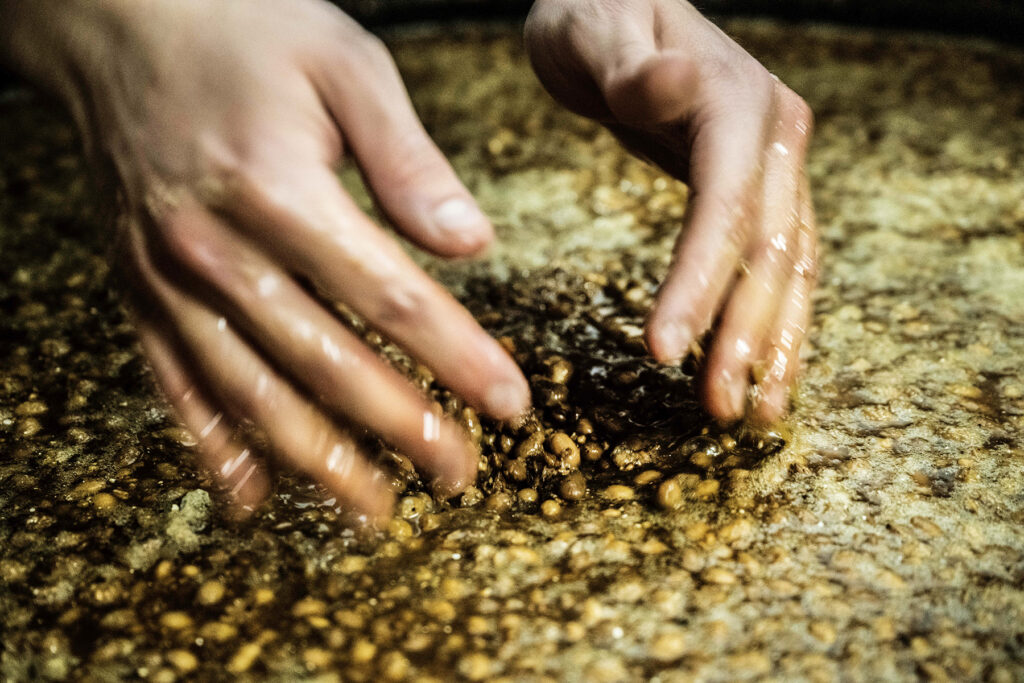
Their answer was fermentation. Not as a product, but as a practice — humble and ancient, old enough to hold generations, places, and memory inside it.
It began with koji, the living culture grown from rice and the spores of Aspergillus oryzae. Through a long dialogue with koji, year after year, their miso was refined — slowly, patiently, in oak barrels that once held wine.
In 2019, the atelier takes shape. nuu miso is born in Brussels.
—
Over the years, the project grew.
Hiro joined forces with Filip Fransen, an entrepreneur and explorer of umami cultures around the world. The two found a deep, shared conviction in one idea above all: to make shoyu — a true Brussels soy sauce — and to let Belgian terroir speak through Japanese fermentation.
Together they structured the company, moved production to Laeken, and built a barrel room where dozens of vessels now rest on their racks, slowly taking on the seasons. This crossing of worlds became nuu’s signature: to ferment time, and to grow memory.
—
In 2024, a new chapter opens: shoyu.
It is made by an artisanal method still rare in Europe — exacting, patient, measured in years rather than weeks. Cooked soybeans and grain are bound with koji, then left to ferment in wooden barrels, where the slow turn of the seasons shapes the flavour. The first shoyu rests at least two years before it is ready.
This is what we are building now: among the first soy sauces of its kind made in Brussels, faithful to Japanese tradition and rooted in European soil.
—
Our miso shares the same spirit.
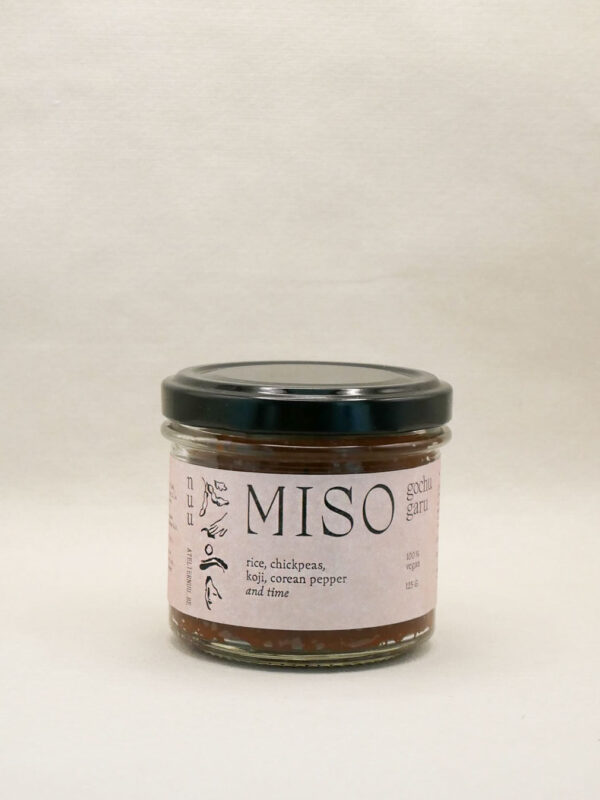
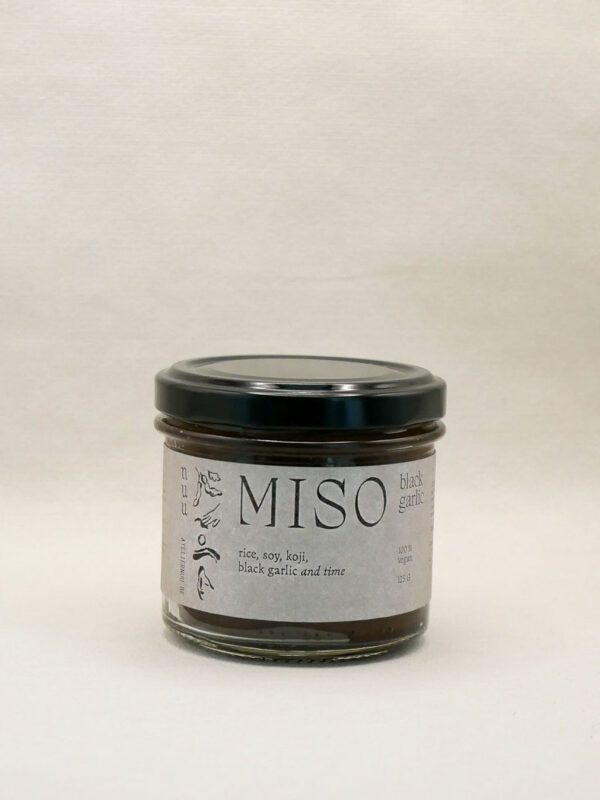
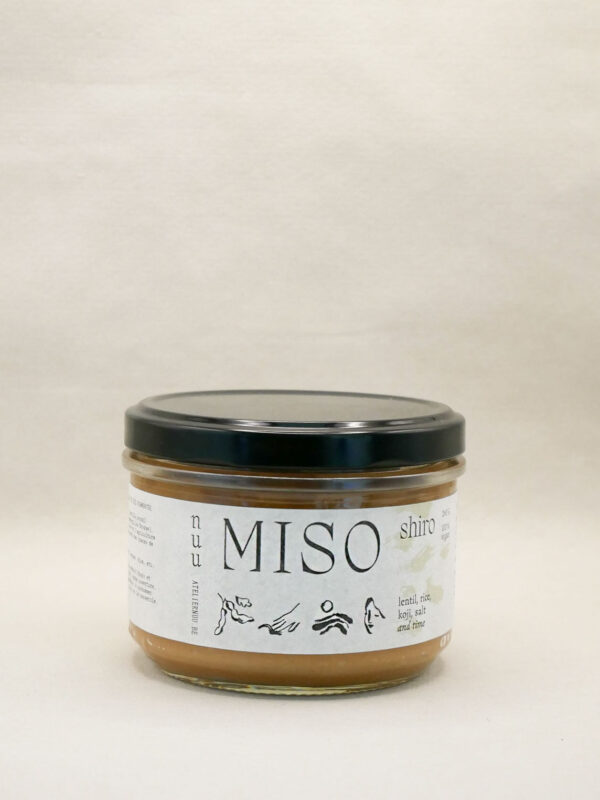
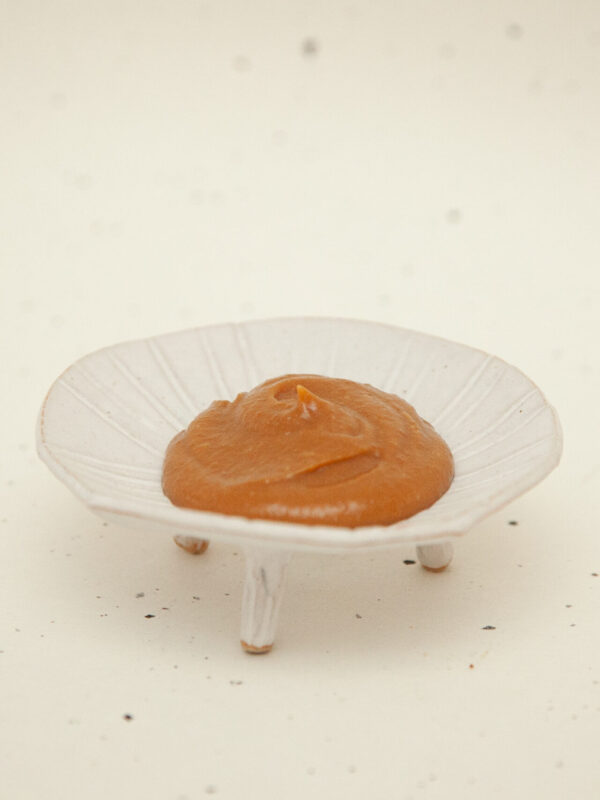
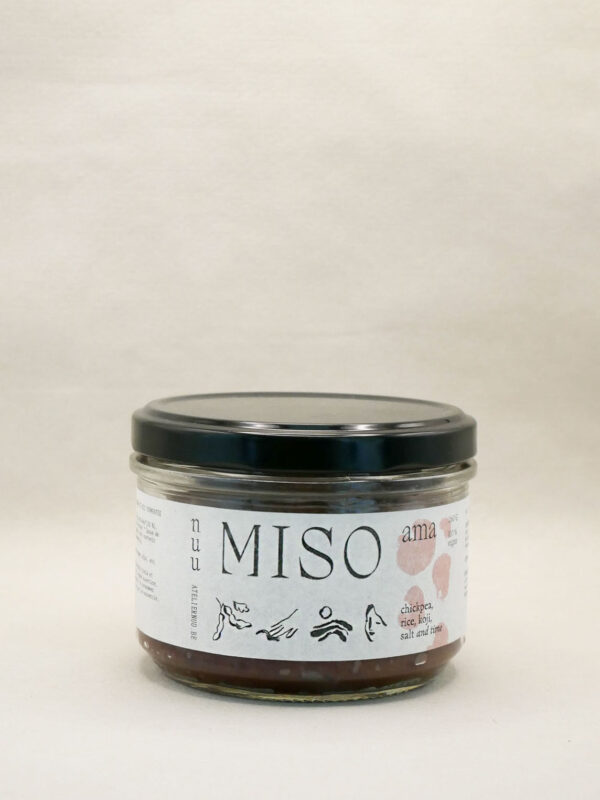
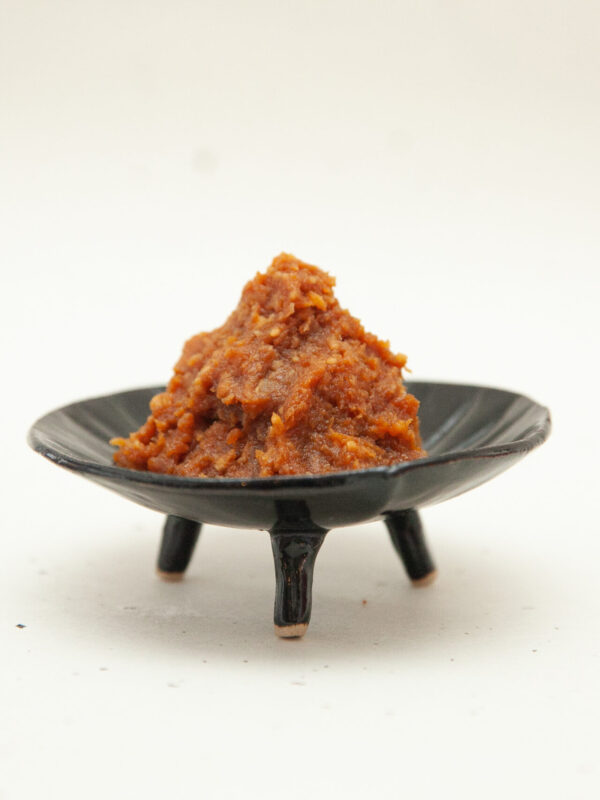
In Japan, miso is a miso of soybeans; here the koji meets other things too — lentils, chickpeas, European legumes and local grains. Chefs took to it quickly, as a genuine culinary tool: a spoonful to bring depth and umami to a soup, a sauce, a plate of vegetables.
—
Today, nuu is more than a workshop.
It is an atelier, a vision, a way of passing things on. A place where roots are honoured, and where something living is made — here, now.
Japanese heritage, Belgian terroir.

ORGANIC INGREDIENTS
NUU needs just a few simple things — beans, grain, salt, water. With so few ingredients, each one matters. That is why we insist on local: organic crops grown in European soil, carefully chosen, then turned by koji into depth.
HUMAN CRAFT
Fermentation cannot be rushed, or faked. Knowing when a ferment is ready, when to wait — this answers only to a master’s hand, and years of practice reading what the eye cannot see. Every such call is ours.

TIME
Japanese methods, stitched together slowly, then left to the place. In Belgian air and ground, and in harmony with European oak, time does the quiet work — drawing out depth at its own unhurried pace.

UMAMI
An umami unlike any you have met. The moment it touches your tongue, it blooms — warm, deep, quietly overwhelming, like a small wave of happiness. This is what koji and time were reaching for all along.